

Ammonia gas has a distinct odour while being odourless. The Haber Process is the primary means through which ammonia is produced in industrial settings. Using a catalyst, high pressure and temperature are applied to a gaseous mixture of hydrogen and nitrogen from the atmosphere. Ammonia can also be produced from coal. Nitrogen fertiliser production relies on ammonia as a key input. In addition to its use in air conditioning refrigerants, polymers, detergents, explosives, insecticides, etc., this chemical also finds use in these and other industries.
Agriculture and fertilisers are the largest end-use markets for ammonia, which drives the worldwide ammonia industry. In 2021, this sector will account for more than 60% of the worldwide demand for ammonia. The fertiliser industry is critical to increasing crop yields and agricultural production. Nitrogenous fertilisers are most commonly used in agricultural settings. Sales of fertiliser are expected to rise as the global population and associated need for food continues to rise. By 2030, experts predict that the worldwide demand for ammonia would amount to about 310 million metric tonnes. Because of its antibacterial properties, ammonia is also used in the pharmaceutical industry as a respiratory stimulant, as a neutralising agent, and in the production of pharmaceuticals. Ammonium hydroxide, a derivative of Ammonia, is the active component in a wide variety of household cleaning and disinfecting solutions. In addition to its many other applications, the widespread use of ammonia for cleaning purposes has fueled the growth of the global ammonia market.
One nitrogen atom is covalently bound to three hydrogen atoms in ammonia, making it an inorganic molecule that inhibits amidase and is neurotoxic. There are numerous submarkets within the ammonia market, distinguished by product category, final-market sector, and regional focus. The global liquid and gas market are separated by product type. The market is broken down into sub-markets based on the various end-use sectors that purchase these goods and services. The research analyses the ammonia market in 15 countries throughout the world and projects its size and growth over the next few years. Volume (in kilotons) was used in calculating market size and predictions for each category.
The fertiliser market stands to benefit from the world's expanding population and rising hunger. The fertiliser business is crucial to agricultural output and crop yield. Plants require a variety of minerals for healthy growth, and fertilisers supply the three most important ones: nitrogen, phosphorus, and potassium (NPK). Nitrogenous fertilisers are projected to become more widely used as commercial agriculture gains popularity around the world. Overall fertiliser output is driven by the demand for oilseeds and grains, which in turn drives the market for these fertilisers. The majority of manufactured ammonia finds its way into the agricultural sector, where it serves as a primary source of nitrogen for plant growth. Urea, phosphate, ammonium nitrate, and sulphate are only few of the many solid fertilisers made with this chemical. Ammonium phosphate is a fast-release fertiliser that can be used for a variety of lawn care purposes, from fresh grass sowing to overseeding and renovation to routine upkeep.
Inhalation is the primary route of NH3 exposure for humans. People are very likely to be exposed to the product due to its presence in both natural environments and cleaning products. It has an instant effect when in contact with the eyes, skin, lungs, and mouth. Ammonia can cause quick skin or eye irritation, even when exposed to low amounts in solutions or air. Extreme burns and injuries could occur at higher doses. Corrosive injuries, such as skin burns and irreversible eye damage or blindness, can result from contact with concentrated solutions, such as industrial cleaners. In addition to these side effects, excessive quantities ingested through solutions cause corrosive damage to the digestive tract, the throat, and the mouth.
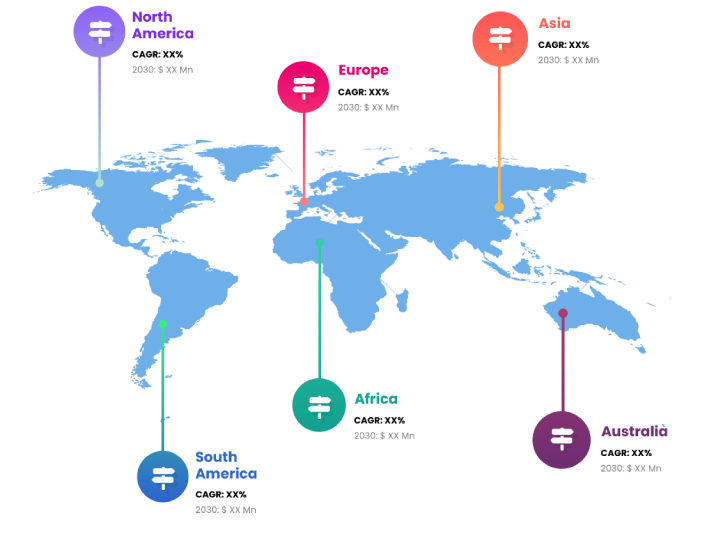
Report Coverage
Global Ammonia research report categorizes the market for global based on various segments and regions, forecasts revenue growth, and analyzes trends in each submarket. Global Ammonia report analyses the key growth drivers, opportunities, and challenges influencing the global market. Recent market developments and Ammonia competitive strategies such as expansion, product launch and development, partnership, merger, and acquisition have been included to draw the competitive landscape in the market. The report strategically identifies and profiles the key Ammonia market players and analyses their core competencies in each global market sub-segments.
| REPORT ATTRIBUTES | DETAILS |
|---|---|
| Study Period | 2017-2030 |
| Base Year | 2022 |
| Forecast Period | 2022-2030 |
| Historical Period | 2017-2021 |
| Unit | Value (USD Billion) |
| Key Companies Profiled | Uralchem JSC (Russia), SABIC (Saudi Arabia), Yara (Norway), and CF Industries Holdings Inc. (US). |
| Segments Covered | • By Product |
| Customization Scope | Free report customization (equivalent to up to 3 analyst working days) with purchase. Addition or alteration to country, regional & segment scope |
Key Points Covered in the Report
- Market Revenue of Ammonia Market from 2021 to 2030.
- Market Forecast for Ammonia Market from 2021 to 2030.
- Regional Market Share and Revenue from 2021 to 2030.
- Country Market share within region from 2021 to 2030.
- Key Type and Application Revenue and forecast.
- Company Market Share Analysis, Ammonia competitive scenario, ranking, and detailed company
profiles. - Market driver, restraints, and detailed COVID-19 impact on Ammonia
Market
Competitive Environment:
The research provides an accurate study of the major organisations and companies operating in the global Ammonia market, along with a comparative evaluation based on their product portfolios, corporate summaries, geographic reach, business plans, Ammonia market shares in specific segments, and SWOT analyses. A detailed analysis of the firms' recent news and developments, such as product development, inventions, joint ventures, partnerships, mergers and acquisitions, strategic alliances, and other activities, is also included in the study. This makes it possible to assess the level of market competition as a whole.
List of Major Market Participants
Uralchem JSC (Russia), SABIC (Saudi Arabia), Yara (Norway), and CF Industries Holdings Inc. (US).
Primary Target Market
- Market Players of Ammonia
- Investors
- End-users
- Government Authorities
- Consulting And Research Firm
- Venture capitalists
- Third-party knowledge providers
- Value-Added Resellers (VARs)
Market Segment:
This study forecasts global, regional, and country revenue from 2019 to 2030. INFINITIVE DATA EXPERT has segmented the global Ammonia market based on the below-mentioned segments:
Global Ammonia Market, By Form
Liquid
Powder
Gas
Global Ammonia market, By Application
Fertilizers
Chemicals
Refrigeration
Fibers and Plastics
Pharmaceutical
Pulp and Paper
Others
Global Ammonia market, Regional Analysis
- Europe: Germany, Uk, France, Italy, Spain, Russia, Rest of Europe
- The Asia Pacific: China,Japan,India,South Korea,Australia,Rest of Asia Pacific
- South America: Brazil, Argentina, Rest of South America
- Middle East & Africa: UAE, Saudi Arabia, Qatar, South Africa, Rest of Middle East & Africa
You will get in-depth and extensive ammonia market market research and competitor analysis for your business to help you develop more profound insights into the ammonia market Market.
Through INFINITIVE Data Expert is a professional Market Research services, I will identify the ammonia market market size, demand & opportunities, growth rate, and target audience with a comprehensive analysis of your competitors.